

About the St. Louis Kaplan Feldman Holocaust Museum
Click HereThe St. Louis Kaplan Feldman Holocaust Museum is one of the nation’s leading Holocaust museums dedicated to preserving the history of the Holocaust and ensuring its lessons remain relevant for every generation. Located at 36 Millstone Campus Drive in St. Louis, MO, the museum serves as the primary Holocaust education and remembrance institution for the St. Louis metropolitan area.
The Museum connects the past and present through powerful permanent exhibitions, survivor testimonies, an innovative Impact Lab, and educational programs that serve students, educators, law enforcement, faith communities, and the general public. It is an independent 501(c)(3) nonprofit organization.
Our Story & History
Founded in 1995 by St. Louis-area Holocaust survivors and established as a trusted regional resource, the St. Louis Kaplan Feldman Holocaust Museum opened its doors as the St. Louis Holocaust Museum & Learning Center, dedicated to Gloria M. Goldstein. The opening of the Museum was to ensure that the stories of the six million Jews who lost their lives during the Holocaust would never be forgotten.
Approximately 800 Holocaust survivors rebuilt their lives in St. Louis following the war, and their personal stories form the foundation of the museum’s collection and educational mission. For most of its history, the museum operated as a department of the Jewish Federation of St. Louis. In August 2022, following a two-year, $21 million renovation and expansion project, the museum became an independent nonprofit entity with its own board of directors and staff.
The newly expanded museum building opened to the public on November 2, 2022. At 35,000 square feet, it is more than four times the size of the previous facility. The museum was renamed the St. Louis Kaplan Feldman Holocaust Museum in recognition of major donors who supported the capital campaign.
The museum houses extensive programs and resources that connect past and present, encouraging visitors to reflect on their own responsibilities in building a more just world.
St. Louis Kaplan Feldman Holocaust Museum Timeline
- 1995 – Original Museum opens after two decades of planning by survivors and community members
- 2017 – Planning begins for major expansion and renovation
- November 2020 – Groundbreaking for $21 million expansion project
- August 2022 – Museum becomes independent 501(c)(3) nonprofit, separating from Jewish Federation of St. Louis
- November 2, 2022 – Newly expanded Museum reopens with new permanent Holocaust exhibition, Impact Lab, classrooms, auditorium, archives, and special exhibit space
- First 100 days – Nearly 5,000 visitors, over 1,500 students engaged, 700+ new members recruited
- Present – Museum serves tens of thousands of annual visitors including students, educators, community groups, law enforcement, and religious organizations
Location and Visitor Information
- Address: 36 Millstone Campus Drive, Creve Coeur, Missouri 63146
- Phone: 314-442-3711
- Hours: Wednesday through Monday, 10:00 am – 4:30 pm (closed Tuesdays)
- General admission: Starting at $6, with free admission for survivors, members, and children under 10. See current pricing and book tickets.
Ticketed Visitors for All Events
- Onsite: 32,908
- Offsite: 2,936
- Total: 35,844
Students Reached
- Onsite: 32,908
- Offsite: 2,936
- Total: 35,844
What We Do
Education
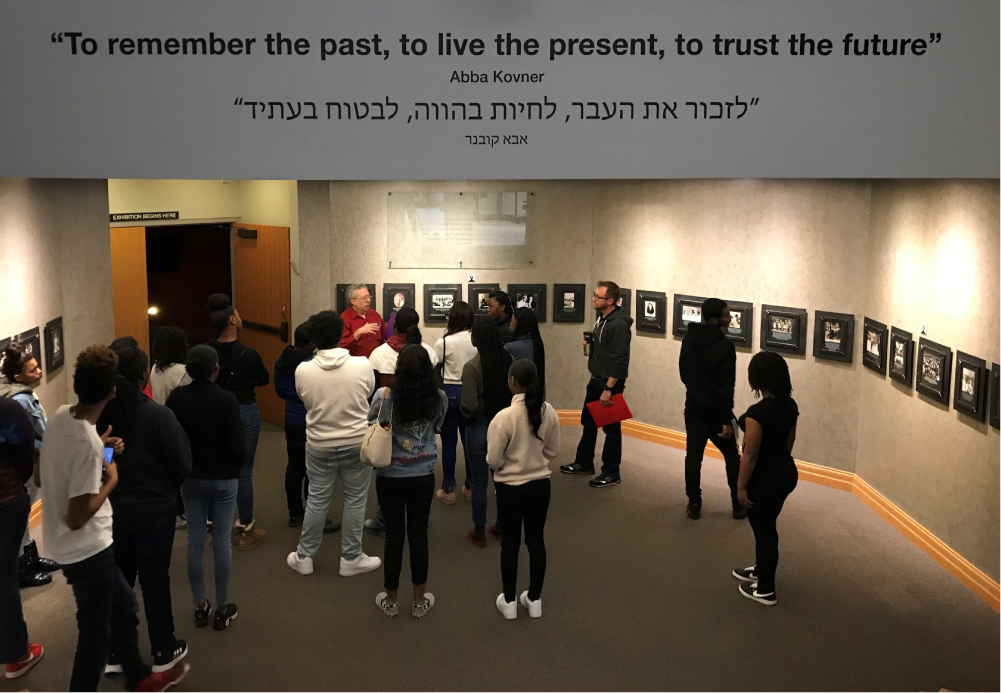
We provide educational programs for students, teachers, and the community, using Holocaust history to teach critical thinking and moral responsibility through workshops, lectures, field trips, and professional training. Learn more about the Holocaust today.
Remembrance
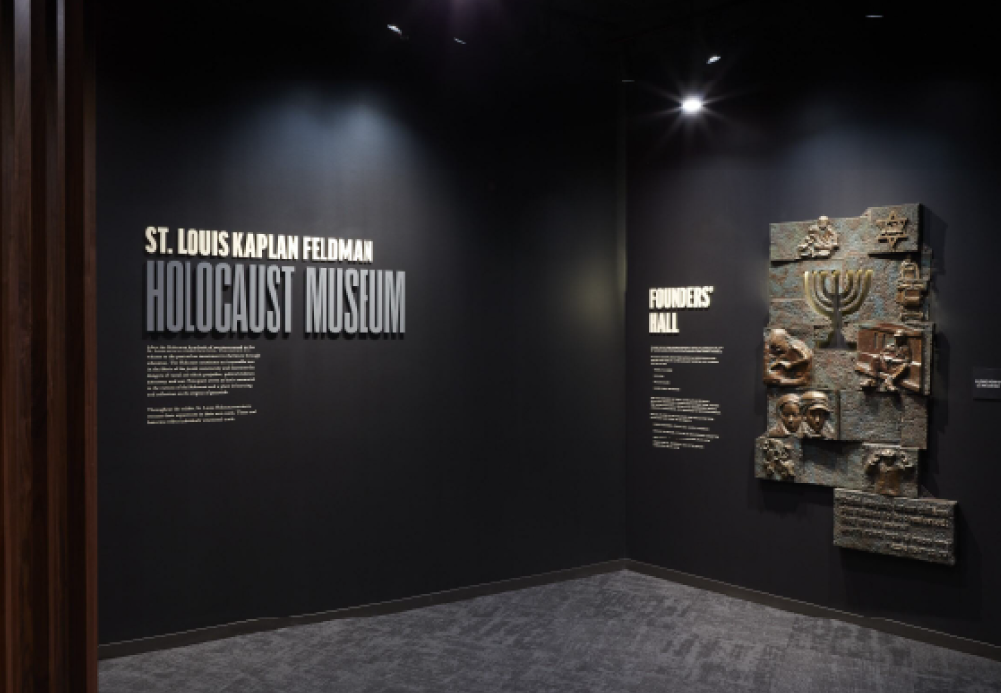
Through immersive exhibits, we honor Holocaust victims and celebrate the courage of survivors and liberators. Our modern exhibition guides visitors through the Nazi regime’s rise, persecution of targeted groups, and the Holocaust’s aftermath.
Research, Archives, & Artifacts
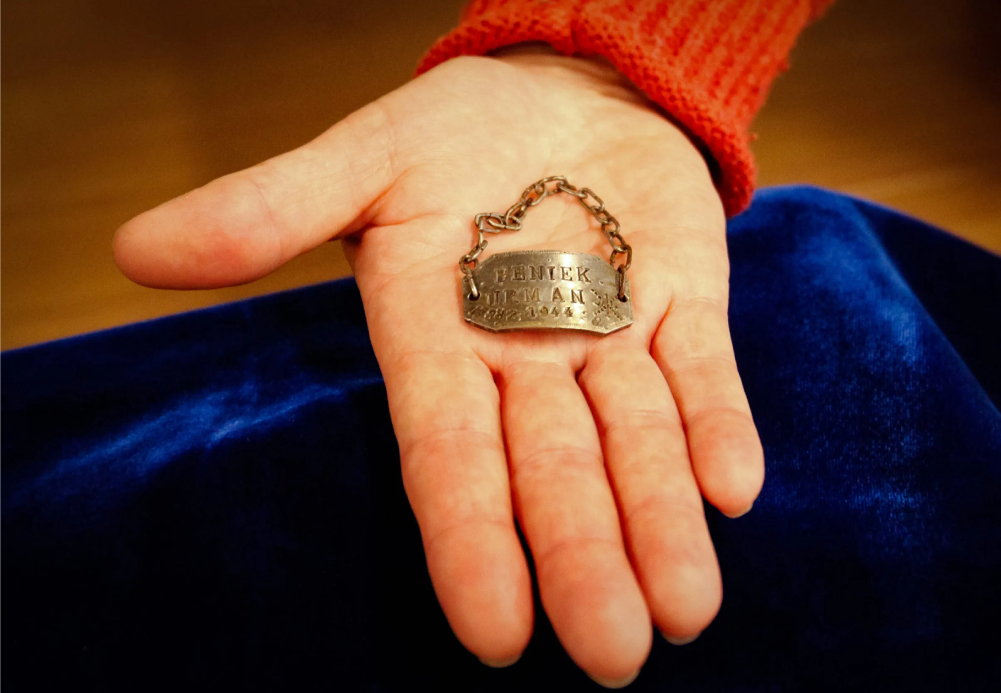
Our archives preserve testimonies, documents, oral histories, and artifacts for current and future generations. We safeguard photographs, personal items, and survivor stories from local families for research and education. Explore our collection.
Community Engagement
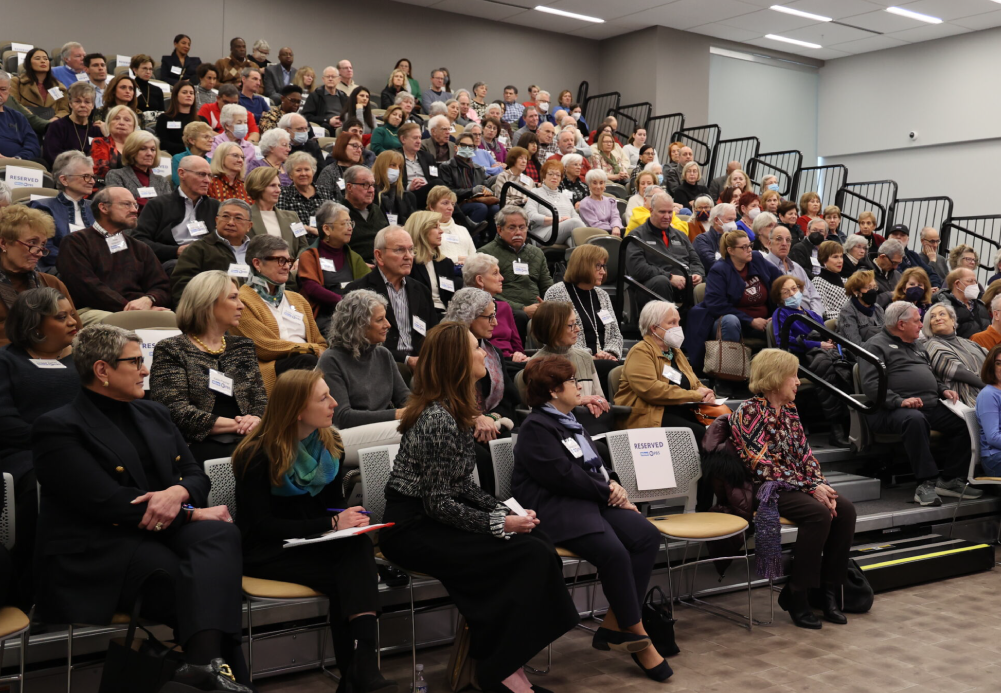
The Museum hosts workshops, lectures, field trips, film screenings, speaker series, and commemorations that bring the community together. We provide educators with teaching resources, professional development, and strategies for Holocaust education.
Our Mission
Our mission is to use the history and lessons of the Holocaust to empower individuals to reject hatred, promote understanding, and inspire change. Every exhibit, program, and archive we maintain serves that purpose, turning historical memory into a tool for confronting prejudice today.
That mission is carried out through a clear set of guiding values, from education and integrity to community connection. Read our full mission, vision, and core values.
Who We Serve
As a cultural and educational institution rooted in St. Louis, Missouri, we proudly serve:
- Local schools and universities
- Community and civic organizations
- Law enforcement and public service groups
- Faith-based communities
- Visitors from across Missouri and beyond
The lessons learned here extend far beyond our walls. Each visitor plays a part in building a more just, informed, and compassionate society.
Our Impact
Today, the St. Louis Kaplan Feldman Holocaust Museum serves tens of thousands of visitors annually, delivers hundreds of community programs, and preserves thousands of artifacts entrusted by Holocaust survivors and their families.
Annual Visitors in Total
Students Reached in Total
Programs Annually
Artifacts Preserved
The Museum's Significance to St. Louis
St. Louis has a distinctive relationship with Holocaust history. The city shares its name with the MS St. Louis, the 1939 ocean liner carrying 937 Jewish refugees fleeing Nazi Germany that was turned away from Cuba and the United States before returning to Europe — a pivotal episode in the history of American responses to the Holocaust. The museum directly addresses this history and its meaning for the region.
Beyond that historical connection, St. Louis became home to one of the largest communities of Holocaust survivors in the United States. These individuals rebuilt their lives, raised families, and became integral members of the community. The St. Louis Kaplan Feldman Holocaust Museum exists in part because of them and continues their legacy of bearing witness and educating future generations.
Financial Documents & Disclosures
Visit Us in St. Louis
We welcome visitors year-round. Explore our exhibitions, attend programs, or book group tours today!
FAQ: About St. Louis Kaplan Feldman Holocaust Museum
What is the St. Louis Kaplan Feldman Holocaust Museum?
The St. Louis Kaplan Feldman Holocaust Museum is one of the nation’s leading Holocaust museums located in St. Louis, MO, founded in 1995. The museum preserves Holocaust history through permanent exhibitions, survivor testimonies, oral histories, educator resources, and community programming to combat hatred and promote human rights.
Where is the St. Louis Holocaust Museum located?
The St. Louis Kaplan Feldman Holocaust Museum is located at 36 Millstone Campus Drive, St. Louis, Missouri 63146, in the St. Louis metropolitan area.
When did the St. Louis Holocaust Museum open?
The Museum originally opened in 1995 as the St. Louis Holocaust Museum & Learning Center. After a major $21 million expansion and renovation, the St. Louis Kaplan Feldman Holocaust Museum reopened on November 2, 2022.
What can I see at the St. Louis Holocaust Museum?
The St. Louis Holocaust Museum features permanent Holocaust exhibitions, a rotating special exhibition, and the Impact Lab, an interactive space designed to connect history to present-day issues. Visitors can also explore an online collection of more than 140 Holocaust survivor oral histories and year-round educational programs and events.
What is the Impact Lab?
The Impact Lab is a unique interactive exhibit and conversation-based experience that explores how inhumanity progresses from prejudice to genocide, known as “the spiral of hate, and teaches visitors how to prevent and intervene against injustices.
Does the museum have Holocaust survivor testimonies?
Yes. The St. Louis Holocaust Museum offers a collection of survivor testimonies through oral histories, survivor stories, and the Memory Project. These testimonies provide personal accounts from Holocaust survivors, including many from the St. Louis area, that are available both on-site and through the museum’s online resources.
Do Holocaust survivors still speak at the Museum?
While many of our original survivors have passed away, their children and grandchildren continue sharing family stories with visitors. The Museum also preserves dozens of recorded survivor testimonies that visitors can experience.
Does the St. Louis Holocaust Museum offer school group visits?
Yes, the St. Louis Holocaust Museum offers guided school group tours and is a designated resource for Missouri’s Holocaust Education Mandate. Financial assistance is available for school group visits that can be scheduled in advance through the school group tour page.
Does the Museum offer educational programs?
The St. Louis Kaplan Feldman Holocaust Museum offers extensive educational programs, including guided tours, survivor speaker presentations, teacher professional development, student programs, virtual programs, and curriculum resources aligned with state and national standards.
What Holocaust education resources does the St. Louis Holocaust Museum offer for teachers?
The museum provides Holocaust education resources for teachers, such as classroom activities, recommended reading lists for students, a virtual classroom, and school group tours. These resources are designed to help Missouri educators meet the requirements of Missouri’s Holocaust Education Mandate, and are aligned with state curriculum standards for Holocaust education.